
In the Westcountry we have all the water we need, just not when and where we need it.
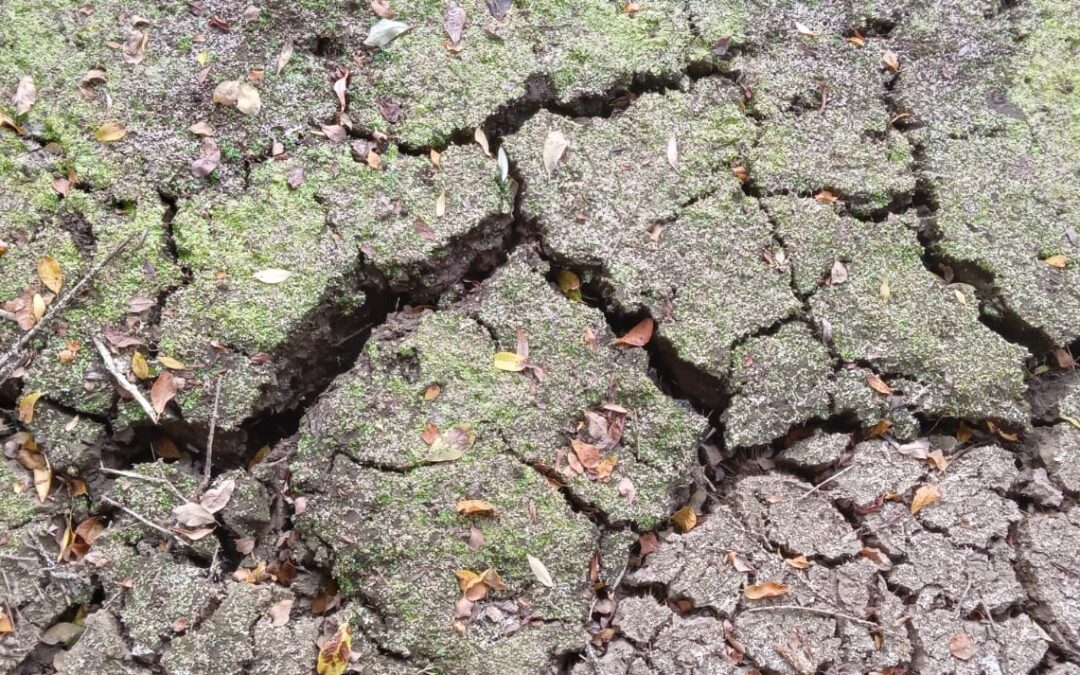
We have just experienced one of the wettest winters on record, followed by one of the driest summers in over 150 years. If there was ever a demonstration of our changing climate, this is it. 2026 provides a striking example of the weather patterns that climate models suggest will become increasingly common by the 2050s. With official droughts declared in three of the last five years our climate is not going to change, it already has.
The irony is that we still receive broadly the same amount of rainfall each year; it simply arrives at different times, and we aren’t prepared to cope with it. More falls during winter, when demand is relatively low, and less during the summer, when people, farming and wildlife need it most. The solution is an obvious one, when there’s plenty, save it, and then when there isn’t enough, use what we stored earlier.
But here is the catch: for centuries, we have been altering the natural processes that govern the movement of water through our landscape. By draining soils, straightening rivers and disconnecting floodplains, we now move water through the landscape far faster than nature intended. Why? To farm the land for food and materials, and to build houses, towns and cities.
As our population has grown and the extent of our modifications has expanded, we have failed to see the bigger picture. Healthy wetlands, peatlands, woodlands and floodplains act like a sponge. They absorb rainfall and slowly release it through rivers and underground pathways as it moves towards the sea. Essentially, a giant sponge that keeps the water available throughout the seasons so that when rain doesn’t fall there is still water held in wetlands, such as floodplains, ponds and soils, remaining accessible to the plants and animals that need it.
So, what do we do? Well, again, that’s an easy one, fix what we broke, restore those key habitats like wetlands and floodplains and soils to restore the sponge action. Unfortunately, restoration alone will not be enough. Today’s landscape is very different. Land has been developed and the demand for water from households, industry, agriculture and power generation is around 490 million litres every day across the region. Bigger engineered solutions are essential, such as new reservoirs, but these take time to deliver, and we are already experiencing water stress, so we need more, faster action now.
This is where Water Net Gain (WNG) fits in. The project sits between traditional engineered water infrastructure and nature-based solutions. It combines the strengths of both approaches by creating smart ponds on farms that capture excess winter rainfall, store it safely and use it only under prescribed conditions. The principle is to either use it on the farm as a backup option reducing pressure on water resources or release it into the river network to support the environment.
The key aspect is that these smart ponds are designed to complement the nature-based solutions that can be implemented on farms and that the stored water is only used during specific periods. This means the ponds remain primarily natural features (as opposed to existing farm reservoirs) but they include a new smart remote monitoring and outflow system.
The smart element allows the strategic deployment of the stored water based on a range of criteria, from weather patterns to water quality and creates the potential for the ponds to function as flood mitigation features, creating storage capacity ahead of extreme rainfall. WNG is an innovation project working to determine the feasibility of this concept and whether a network of these smart ponds could create tangible impacts on drought resilience for farmers, water companies and the local environment.
So how are we doing? Well, we’ve done a lot of work, and we are delighted to have completed construction of our demonstration smart pond. Converting an old and disused dirty water store to a brand-new type of water resilience feature. The pond collects excess rainfall from the farmyard, channels it via a swale into a sedimentation tank, then through a reedbed and into the main pond. It has a smart outflow located in a bespoke chamber designed to enable water quality monitoring and the remote-controlled release into the adjacent stream. The development of this demonstrator has been an incredible collaborative process between Duchy College, SDS Limited, Landmarc and us at Westcountry Rivers Trust.
Our demonstration pond will now allow us to continue to explore:
– How does the pond respond to different rainfall events?
– What is the potential for these structures to reduce flood risk downstream?
– Can stored pond water support watercourse flows in the summer?
If we can demonstrate that this approach could make significant contributions to the water resource management of the Westcountry then WNG smart pond networks could be embedded into the water company business plans. They could then be delivered in targeted catchments not unlike the pioneering Upstream Thinking programme that has been delivering drinking water quality benefits and environmental improvements for the last 15 years.
Water Net Gain is a £1.1m South West Water and Westcountry Rivers Trust led project funded under the OFWAT Water Breakthrough Challenge.
