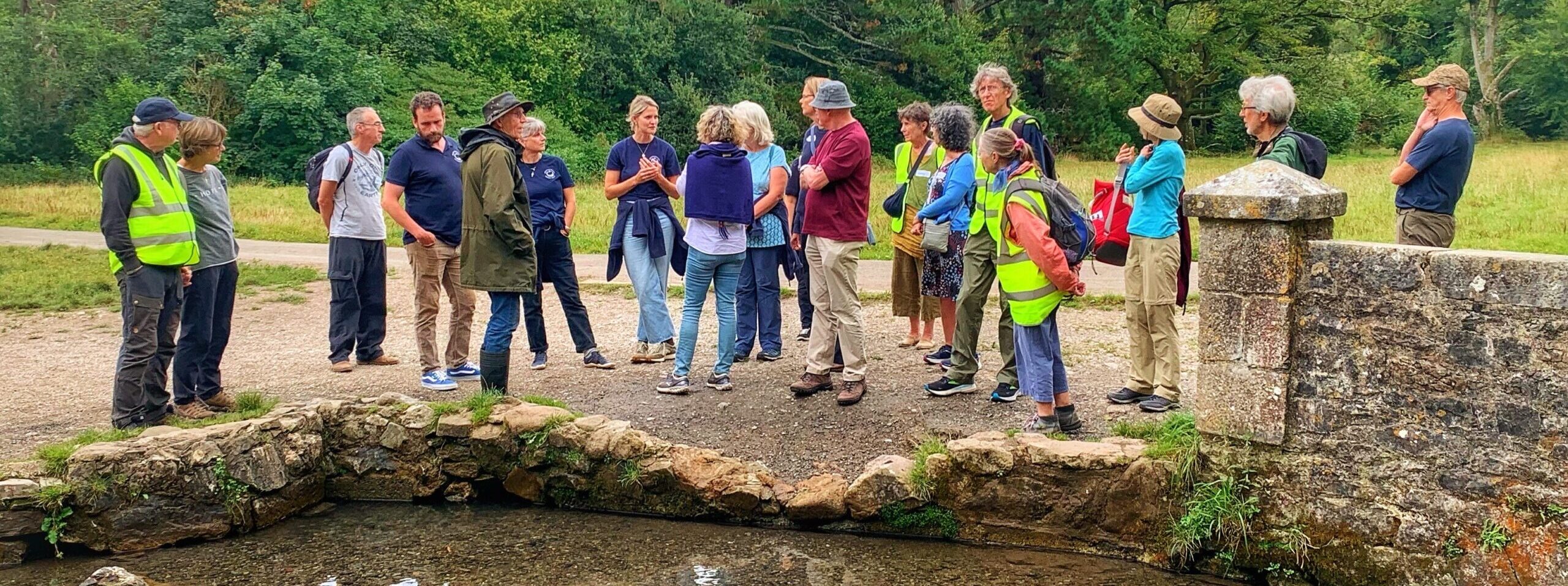
Photo credit Peter Glaser
What is CaSTCo?
The CaSTCo (Catchment Systems Thinking Cooperative) is an Ofwat Innovation Fund project which aims to demonstrate how citizen science and community monitoring methods can be used alongside professional monitoring to generate data of known quality that can lead to better and more impactful decisions.
Challenges We Face and How CaSTCo Helps
Gaps in River Monitoring
Understanding the state of rivers in the South West is challenging. Reductions in statutory monitoring have left gaps in data collection. To address this, WRT launched the Westcountry Citizen Science Investigations (CSI) scheme in 2016, building a network of volunteers to collect valuable river data.
Over the years, the scheme has faced challenges such as:
- The perceived value of citizen science data
- Limited capacity for data analysis
- Volunteer retention
Through CaSTCo, many of these challenges are now being addressed.
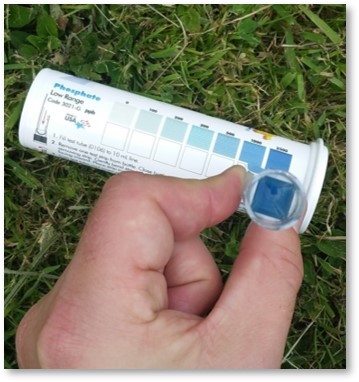
La Motte Phosphate Test strips used by CSI volunteers
The Value of Citizen Science Data
One of the biggest hurdles is ensuring that citizen science data is recognised and used appropriately. The Westcountry CSI data are considered Tier 1 data under the CaSTCo model meaning they can be used for reconnaissance, in other words, they allow for a broad overview of the state of rivers and streams across the South West.
With CaSTCo support, WRT has been able to develop resources and communication about the use of these data by volunteers, internally at WRT and by external partners including the Environment Agency (EA).
The data team at WRT has been working with the EA to understand how and when citizen science data can be used to support the EA waterbody classification. By using a “weight of evidence” approach, we tested whether CSI data could help improve confidence in cases where classifications around eutrophication (nutrient pollution) were uncertain. Where little pre-existing supporting evidence was available the Westcountry CSI data were able to increase the confidence in the eutrophication classification. Demonstrating the potential for citizen science data to be incorporated into official regulatory practices.
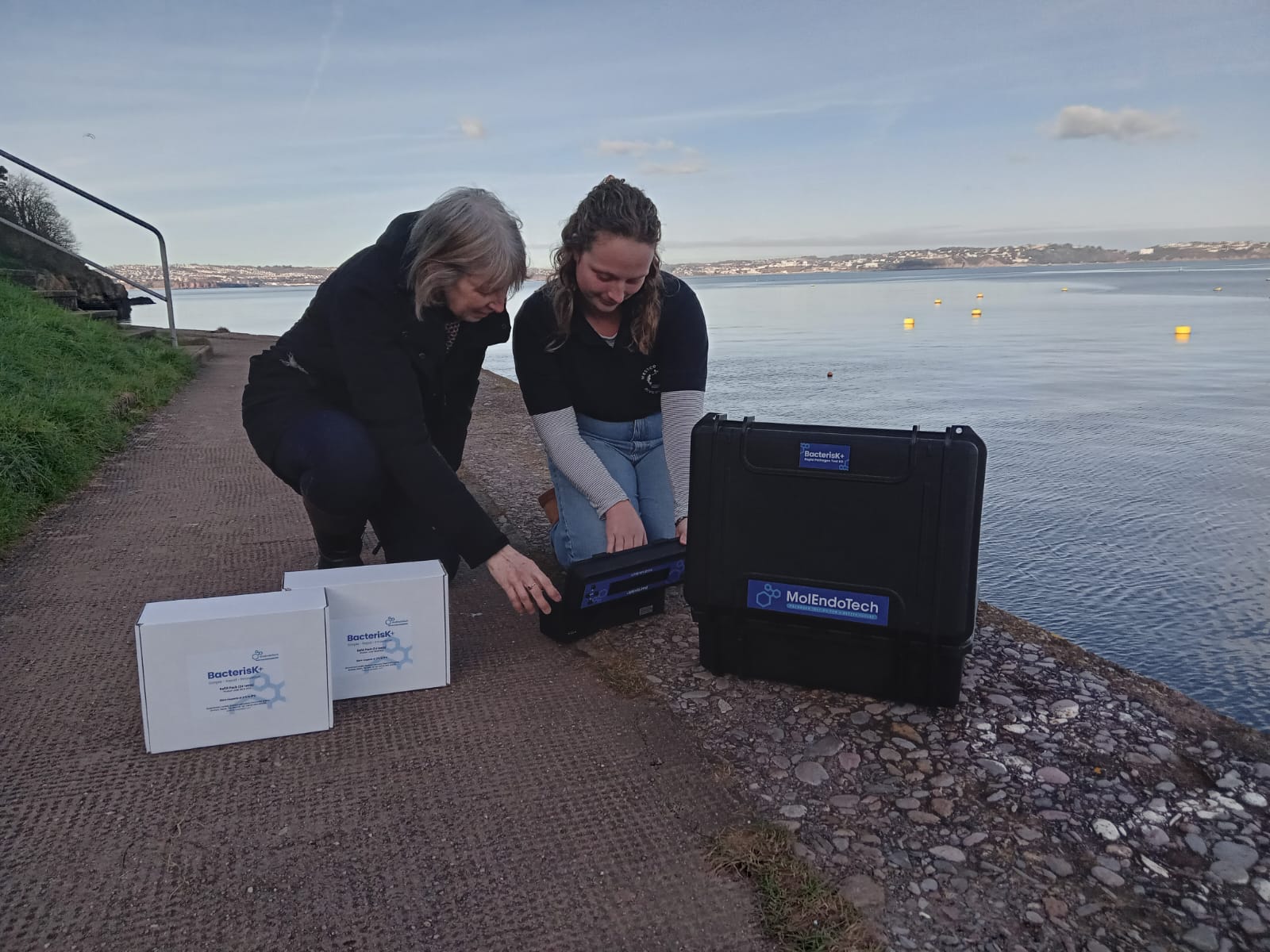
Testing the new MolEndoTech BacterisK+ kit with CSI volunteers
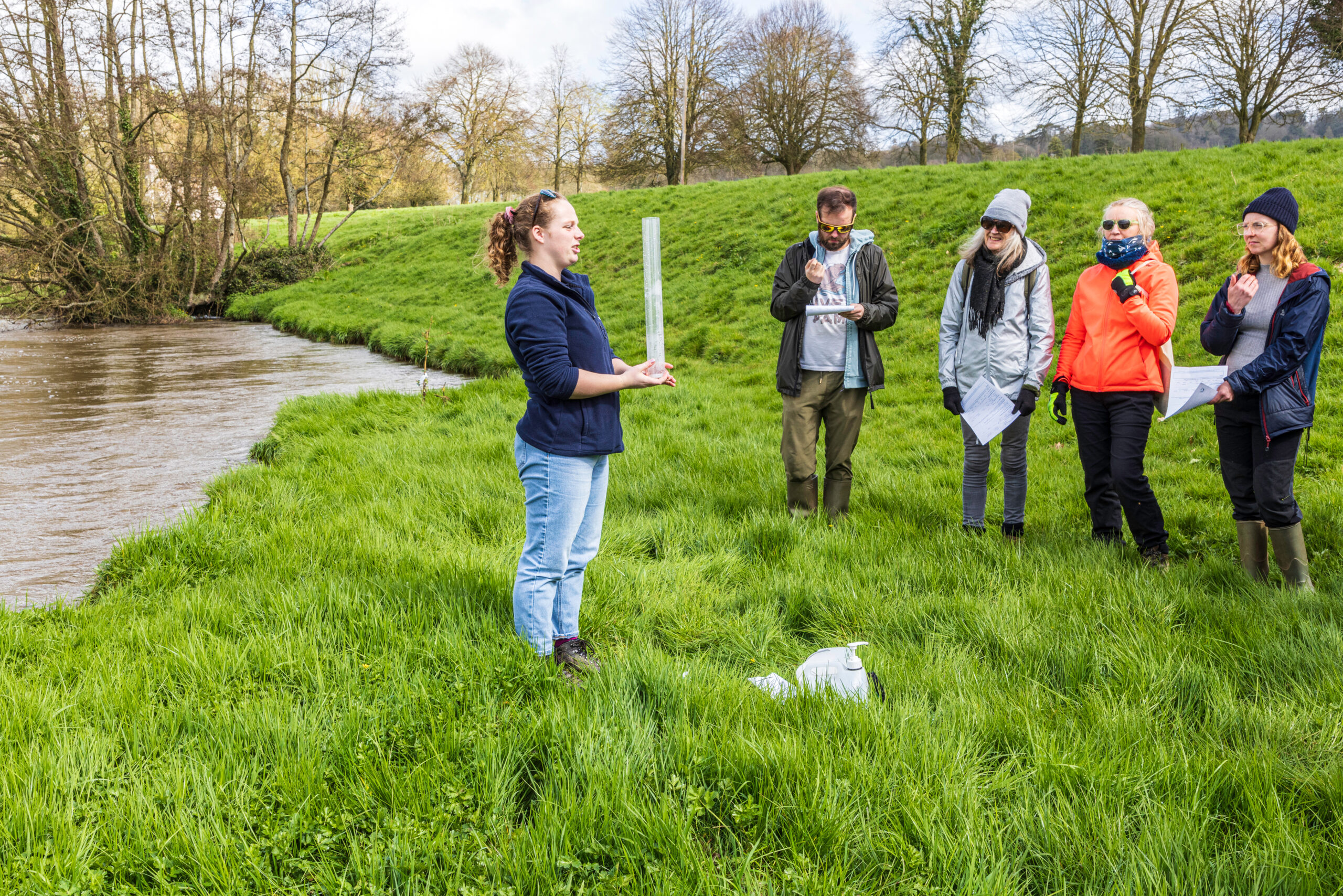
A training session at National Trust Killerton, March 2025
Volunteer support and retention
Volunteer retention remains one of WRT’s biggest challenges. Volunteer feedback surveys highlighted a need for:
- Better communication on the impact of volunteer data
- Regular project updates
- More opportunities for upskilling
As such, with CaSTCo support we have been able to establish a volunteer management system. Improving volunteer engagement by delivering a range of articles, webinars and direct emails to provide volunteers with project information, survey tips and tricks, and opportunities for learning and upskilling. In addition, CaSTCo has allowed WRT to review and update training materials, policies, and procedures. The team are also looking to offer a wider range of volunteer opportunities while working to remove barriers to participation.
Our Contribution to CaSTCo
Beyond addressing local challenges, WRT has contributed to the wider CaSTCo project by:
- Sharing our insight into running a large Tier 1 monitoring scheme
- Participating in water quality method audits
- Engaging in the development of data governance strategies and policies
- Sharing knowledge and experience with other rivers trusts and project partners
This highly collaborative project has enabled WRT both to support others and to learn from a wide range of partners.
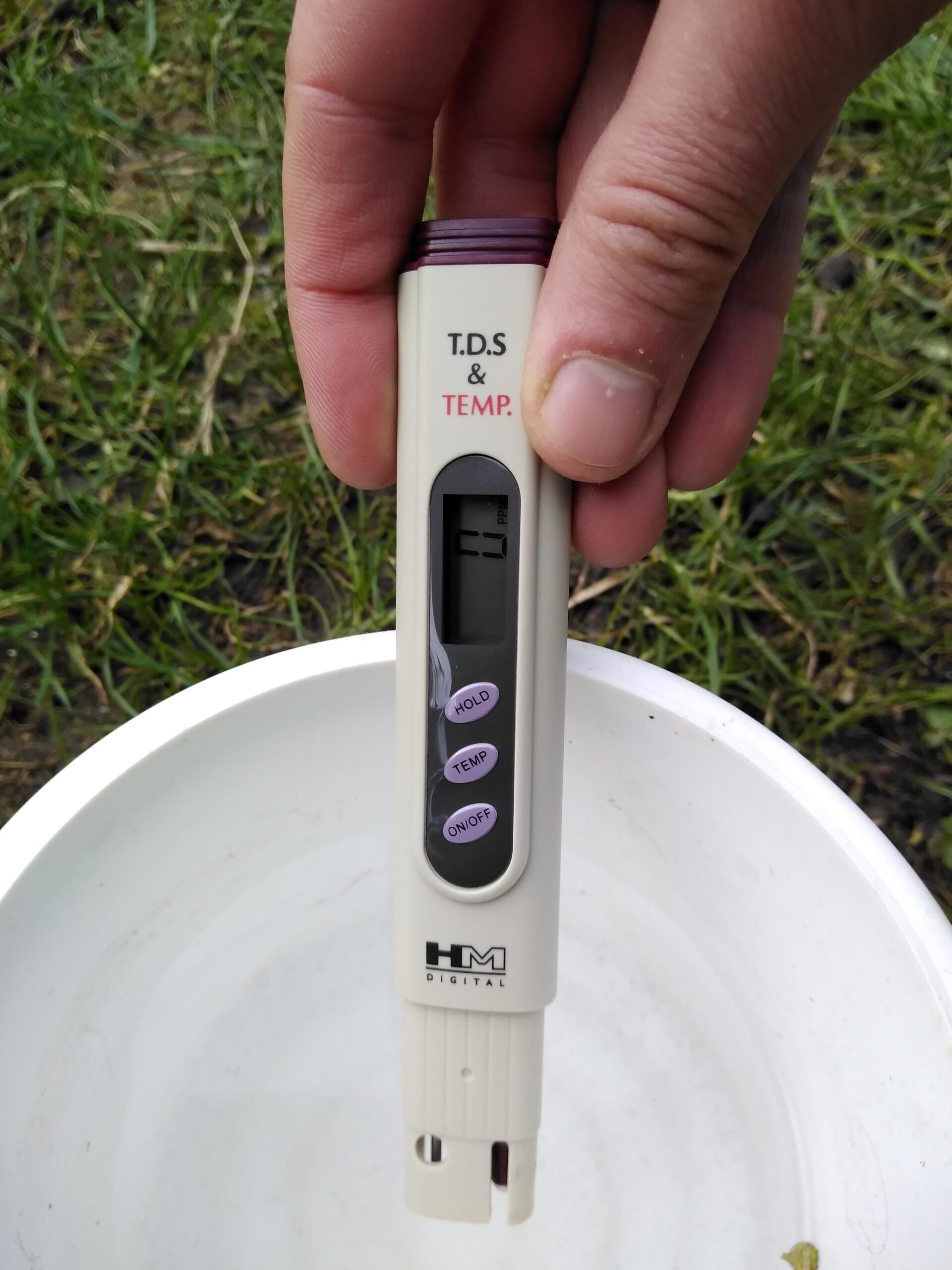
HM Digital TDS-4 used by volunteers in the CSI scheme
The Tamar Demonstration and Beyond
The initial demonstration site selected for CaSTCo was the Tamar catchment. However, WRT and the wider CaSTCo partners agreed to expand the focus to encompass the whole WRT working area. This broader approach maximises impact, reaching more communities and volunteers dedicated to protecting their local rivers.