
Recent research has revealed an unexpected threat to our rivers: the flea and tick treatments we use on our beloved pets. While these products effectively protect cats and dogs, they’re introducing highly toxic pesticides into our waterways with devastating consequences for aquatic life.
Britain is long renowned as a nation of animal lovers and accordingly, millions of us regularly treat our cats and dogs with products which are highly effective at combating infestations with fleas and ticks. However, ongoing research is producing an increasingly compelling body of evidence indicating that the active compounds in such products are posing a serious threat to the health of both our waterways and the wider natural world.
Pesticides such as fipronil and the neonicotinoid imidacloprid are incredibly potent neurotoxins (poisons affecting the nervous system). Their toxicity is so severe that their use as agricultural insecticides was banned in the EU and UK some years ago due to concerns about their detrimental effects on non-target organisms such as honeybees, bumblebees and farmland birds.
However, as is the case for some other harmful pesticides, banning the use of these substances in agriculture doesn’t prevent their use as veterinary medicines. Anti-flea formulations containing fipronil, imidacloprid or a number of other potent insecticides are readily available over the counter, often via online purchases.
Research carried out some years after the ban on agricultural use revealed that significant levels of these compounds are still present in rivers and sewage works effluents across the UK. This discovery raised urgent questions about where these banned pesticides were coming from.
How Toxic Are These Products?
Environmental chemist Ian Townsend explains:
“It’s difficult to comprehend just how toxic these substances are; it’s been calculated that a typical dose of a spot-on anti-flea formulation contains enough fipronil to kill 25 million honeybees!”
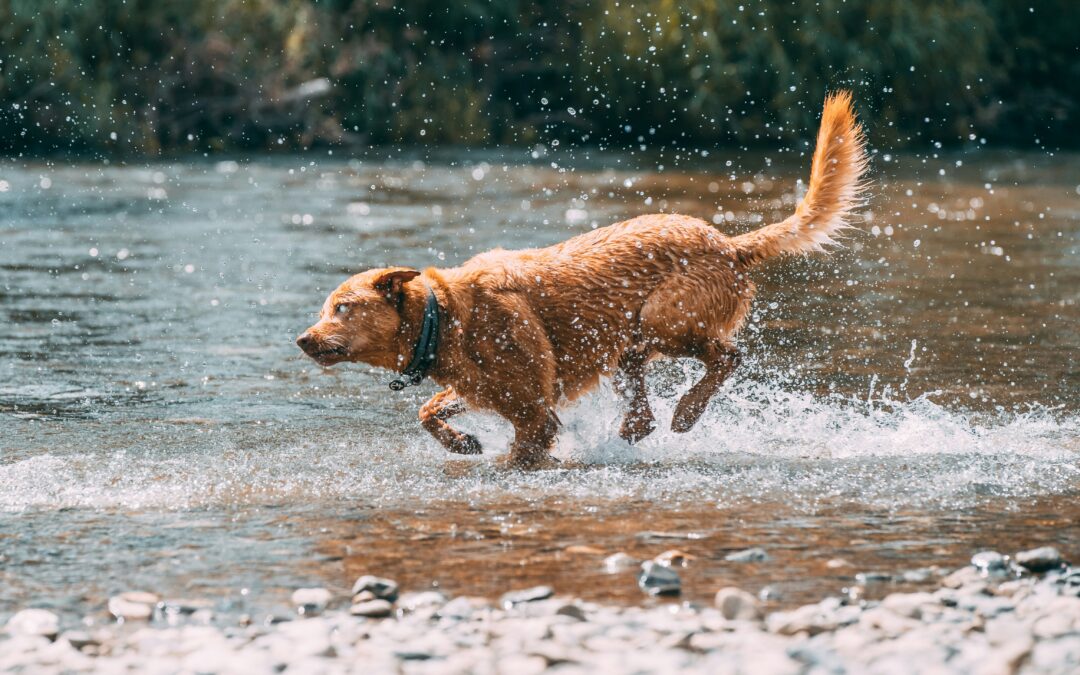
These pollutants have been a concern to WRT for some time, and we are actively collaborating with academic research groups on projects aimed at further understanding the extent and routes of their input into watercourses. So far, the evidence points to two discrete sources: a down-the-drain route where residues may not be removed during sewage treatment, and direct inputs when recently treated dogs bathe in rivers.
Townsend is clear about the stakes:
“One way or another, it is essential that we drastically reduce the levels of these compounds in our watercourses which are already subject to numerous other pressures.”
The Push for Change
Encouragingly, the damaging effects of these pollutants are becoming a high-profile issue with increasing pressure for a complete ban on their use being brought to bear. Environmental groups are calling for these products to become prescription-only, with treatment reserved for pets showing actual signs of infestation rather than as routine preventative measures. Even this change alone could significantly reduce releases to the environment.
What Pet Owners Can Do Now
In the meantime, there are practical steps pet owners can take to reduce environmental impact:
- Wait before bathing: Using spot-on formulations, the pesticides are distributed throughout your animal’s fur and significant amounts can leach into river water for some time after treatment. Only allow your dog to bathe from around two weeks after treatment.
- Consider tablets over spot-on treatments: Oral formulations reduce the risk of pesticides washing directly into waterways. However, if using tablets, it is even more important than normal that you clear up your animal’s faeces.
- Practice good hygiene: Fipronil and its breakdown products are so toxic that trace levels introduced into wastewater by washing your hands after administering products, stroking your pet, shampooing your animal or bathing them, or washing their bedding can result in damaging levels of these pollutants in receiving watercourses.
Prevention is Best
Without doubt, the preferred course of action is to minimise the likelihood of your pet becoming infected in the first place. This means:
- Regularly washing bedding to remove larval fleas
- Using a flea comb on your pet’s coat
- Treating only when necessary rather than routinely
These preventative measures should help reduce the need to routinely use these highly damaging substances.
The Bottom Line
Every pet owner wants to protect their animals from parasites, but we must balance this against the health of our rivers and the wildlife that depends on them. By being more thoughtful about when and how we use flea treatments, we can protect both our pets and our environment.
WRT continues to work with researchers to address this issue. You can help by sharing this information with fellow pet owners and choosing the least harmful options when treating your animals.
For more information, visit:
- Pesticide Action Network UK https://www.pan-uk.org/pet-meds-environment/
- Flea-mergency: Pet treatments taking a bite out of the health of England’s rivers https://theriverstrust.org/about-us/news/flea-mergency-pet-treatments-taking-a-bite-out-of-the-health-of-englands-rivers
- Insect Declines, Pesticides and Pet Parasiticides with Dave Goulson https://wsrt.org.uk/news/insect-declines-pesticides-and-pet-parasiticides-with-dave-goulson
