The creation of ponds, wetlands and other Nature Based Solutions can slow, store and purify excess water that would have been lost during periods of flooding and keep it for managing drought. This allows farms and farmers to become more resilient to the impacts of climate change and for us to have more water in our rivers in the summer months. This is good for the river, good for the wildlife that lives in it and good for us.
Project Background:
Climate change is affecting how we receive water shifting from low levels of rainfall over a long term to long periods of drought punctuated with short heavy outbursts. Additionally, the way we have managed our lands for food and for floods over the past 100 years has been to move water off the fields, into our rivers and out to sea as quickly as possible. Collectively, this means we see a rapid response to rainfall, where water leaves the landscape quick and dirty causing localised flooding, pollution of rivers and there is no water for the drier summer months.
The WaterGrid project builds on the local work of the Water Net Gain project, working specifically with local farmers and water companies to incentivise pond creation, as well as flood management schemes such as the Resilience Catchment Communities project in Cornwall and the Devon Resilience Improvement Project in Devon. Collectively, these projects change flows from leaving quick and dirty to water leaving our land slow and clean. This reduces floods, increases summer base flow and improves river habitat.
WaterGrid will test the concept of extending this approach across Europe, including how this approach works in low rainfall areas such as Spain and Malta and the cooler eastern Baltic areas such as Solvakia. By working at an international scale with experts across Europe the project allows the team to understand how changing climate risks being faced elsewhere can expedite the adoption of these systems yet to face these risks.
About the Horizon Europe Programme:
Horizon Europe is the European Union’s key funding programme for research and innovation. It tackles climate change, helps to achieve the UN’s Sustainable Development Goals and boosts the EU’s competitiveness and growth. The programme facilitates collaboration and strengthens the impact of research and innovation in developing, supporting and implementing EU policies while tackling global challenges. It supports creating and better dispersing of excellent knowledge and technologies. The WaterGrid project received funding from the European Union’s Horizon EUROPE research and innovation program under grant agreement No. 101180636
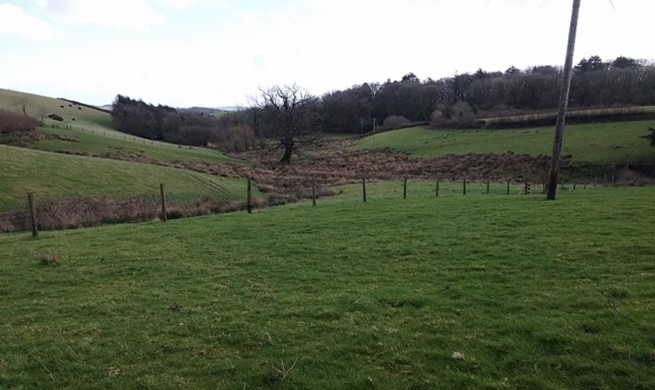
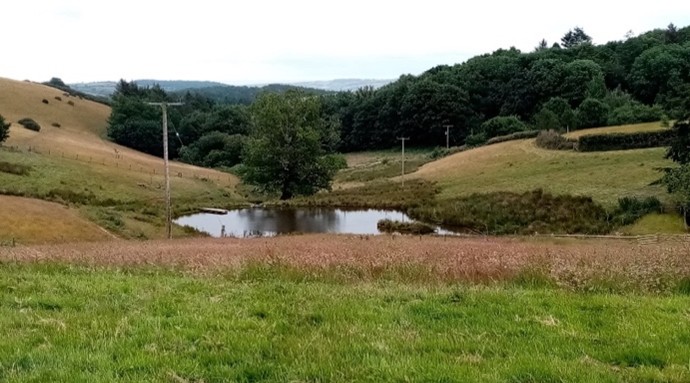
Before and after photos of pond creation to store more water in the landscape

Westcountry Rivers Trust (WRT) is leading a 22 strong partnership project from 13 European countries building on their work on pond creation as ‘water batteries’ to investigate the potential for a Smart Water Grid. The €8m Horizon project was selected as one of two European projects to help understand and transform the use of Nature Based Solutions, like ponds and wetlands, to slow and store excess water during times of plenty (e.g. floods) so it is there to use in times of need (e.g. droughts). The Trust is one of five demonstration sites showcasing how a Smart Water Grid could create a network of distributed features able to store water to build both water resilience within the farming sector but also wider catchment resilience.
The creation of ponds, wetlands and other Nature Based Solutions can slow, store and purify excess water that would have been lost during periods of flooding and keep it for managing drought. This allows farms and farmers to become more resilient to the impacts of climate change and for us to have more water in our rivers in the summer months. This is good for the river, good for the wildlife that lives in it and good for us.
Project Background:
Climate change is affecting how we receive water shifting from low levels of rainfall over a long term to long periods of drought punctuated with short heavy outbursts. Additionally, the way we have managed our lands for food and for floods over the past 100 years has been to move water off the fields, into our rivers and out to sea as quickly as possible. Collectively, this means we see a rapid response to rainfall, where water leaves the landscape quick and dirty causing localised flooding, pollution of rivers and there is no water for the drier summer months.
The WaterGrid project builds on the local work of the Water Net Gain project, working specifically with local farmers and water companies to incentivise pond creation, as well as flood management schemes such as the Resilience Catchment Communities project in Cornwall and the Devon Resilience Improvement Project in Devon. Collectively, these projects change flows from leaving quick and dirty to water leaving our land slow and clean. This reduces floods, increases summer base flow and improves river habitat.
WaterGrid will test the concept of extending this approach across Europe, including how this approach works in low rainfall areas such as Spain and Malta and the cooler eastern Baltic areas such as Solvakia. By working at an international scale with experts across Europe the project allows the team to understand how changing climate risks being faced elsewhere can expedite the adoption of these systems yet to face these risks.
About the Horizon Europe Programme:
Horizon Europe is the European Union’s key funding programme for research and innovation. It tackles climate change, helps to achieve the UN’s Sustainable Development Goals and boosts the EU’s competitiveness and growth. The programme facilitates collaboration and strengthens the impact of research and innovation in developing, supporting and implementing EU policies while tackling global challenges. It supports creating and better dispersing of excellent knowledge and technologies. The WaterGrid project received funding from the European Union’s Horizon EUROPE research and innovation program under grant agreement No. 101180636
Photos:
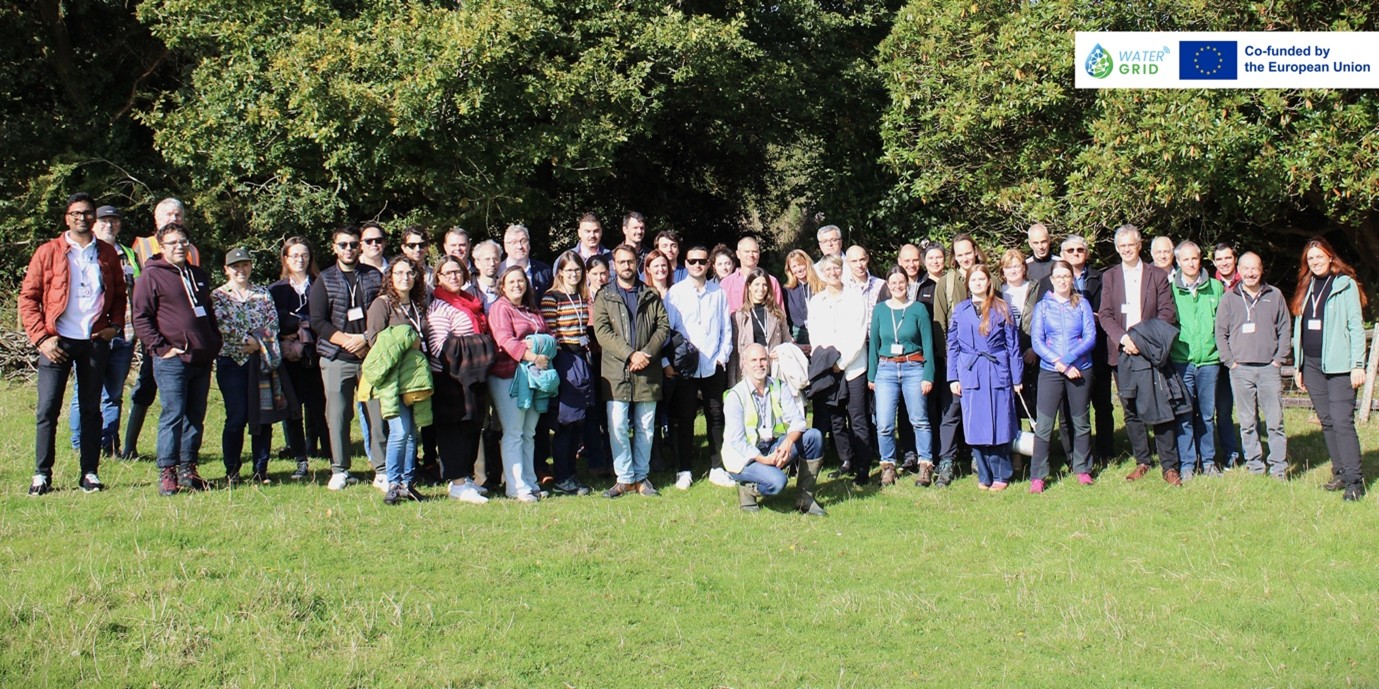
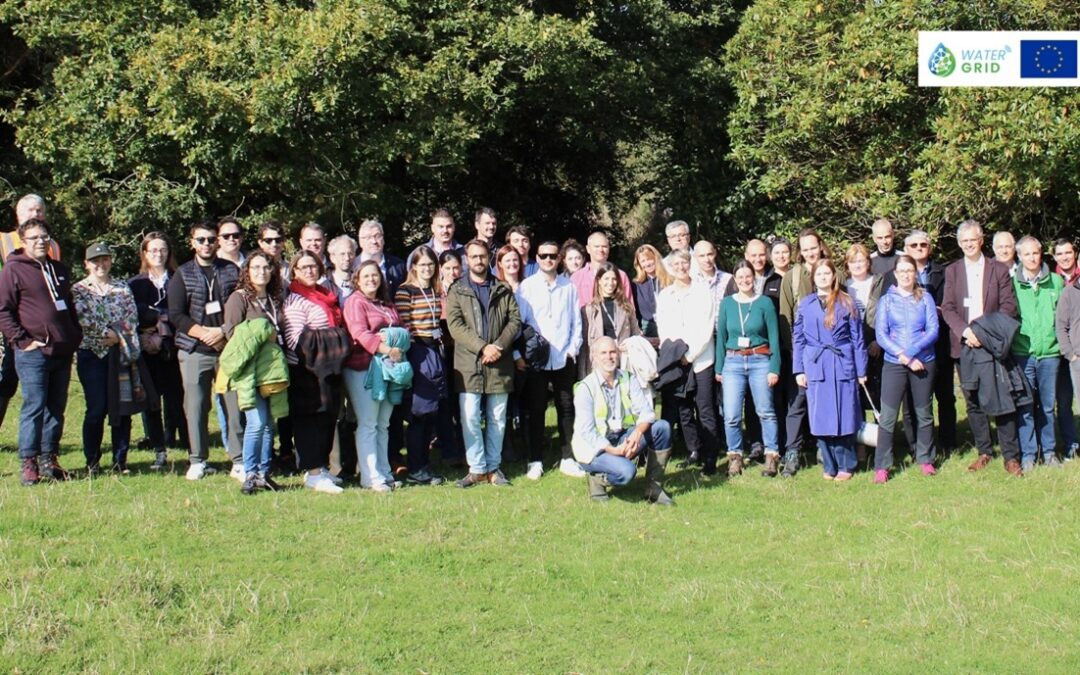
WaterGrid project partnership
Before and after photos of pond creation to store more water in the landscape