
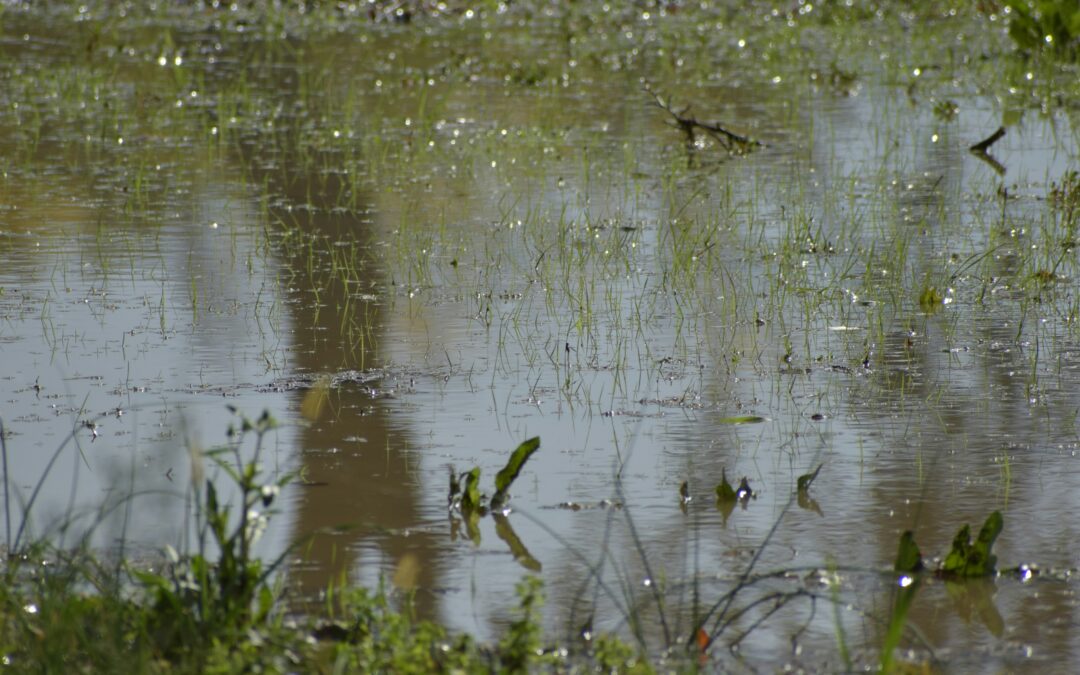
Within hours, Cornwall and Devon transformed from parched to flooded. After a summer where July delivered just 58% of normal rainfall, heavy overnight downpours brought widespread flooding across the counties and a flood warning for Polperro. The irony is that I began writing this piece at the start of this week, structuring my thoughts on the lack of rain we’ve had this summer and how the high temperatures and low rainfall can play havoc with river life. Yet after just a few hours of heavy rain our rivers and communities face a new set of water related challenges. This overnight transformation from scarcity to excess perfectly illustrates the water management paradox we are now facing: landscapes must simultaneously prepare for drought and defend against flooding.
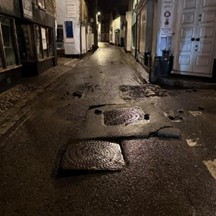
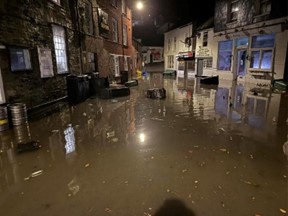
Torrential rain across Devon and Cornwall last night resulted in flooding of streets and houses in the Cornish town of Mevagissey. (pictures from Mevagissey Facebook page)
Spring 2025 was unusually dry and warm, followed by a scorchingly hot June and July with below average rainfall for much of England. While Devon and Cornwall avoided the worst of the national drought emergency, the region has experienced the repeated heatwave conditions through what is shaping up to be the UK’s warmest summer on record. Warmer water holds less oxygen and lower flows means any pollution has an even greater impact as there is no dilution. Additionally, the pressures are also seen on the land as farmers have already needed to feed livestock as the grass has not been growing.
Not surprisingly a lot of media focused on low water levels and hosepipe bans and to a lesser extent the agricultural impacts of poor cropping coupled with an exasperated narrative of why we don’t have fixes for this like more reservoirs. These technical fixes are part of the solution, but the volumes stored in these engineered solutions pales into insignificance compared to the volumes that can be held in healthy soils with a high level of organic matter. More importantly, these sorts of Nature-based Solutions not only manage drought but also, they play a vital role on slowing water when it does eventually tip it down like last night.
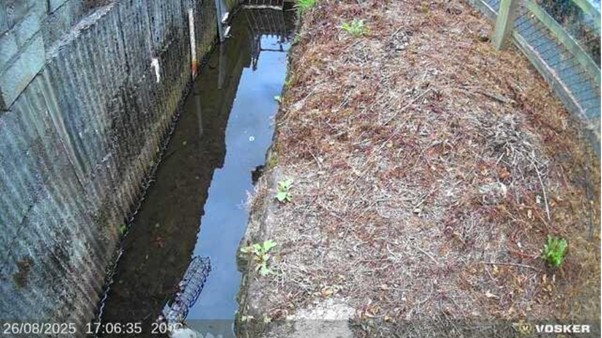
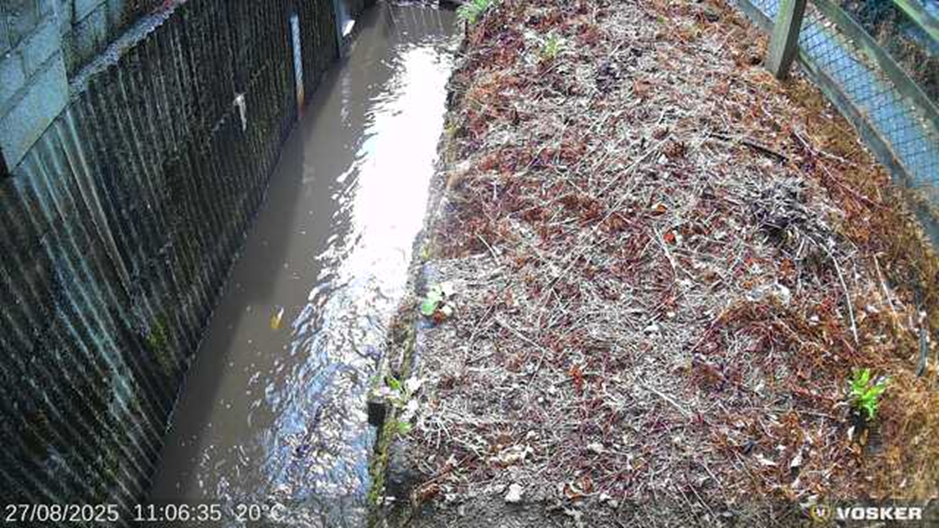
The Mevagissey culvert showing sediment colouring the stream after 4mm of rain Tuesday night
Flooding and Drought are two sides of the same coin and it still beggars belief that we don’t manage these issues side by side and unite the two funding streams to provide joined up solutions. But it doesn’t stop there, as I look out the window, I can see maize fields now overhead hight and getting closer to harvesting. When this happens in the next two months, again healthy soils and proactive management (either under sowing or post-harvest rough ploughing) can, and do, reduce the chances of significant soil loss.
To this respect water quality benefits bring in a third water related benefit (or is that a third side to the coin?) when managing soils and delivering NBS. What does all this mean for the river, though? Well, it means instead of us getting quick and dirty flows when it rains, followed by low flows prone to higher temperatures and less dilution of pollution, we get slow and clean flows, reducing flooding, drought and pollution. All of this means aquatic biodiversity is benefited – Is this the fourth side of the coin or do we need a new analogy?
All too often we silo funding, even within the water sector, trying to prioritise for flooding, drought, pollution or aquatic biodiversity loss but this is just not sustainable and misses the benefit of integrating this into a simplified offer for farmers to see how this not only can deliver these benefits but also provide food more sustainably.
At the Trust we live and breathe this complexity, and it shapes our work both on the land, in the river and with the communities that live next to our amazing rivers. Our Water Net Gain Project exemplifies this integrated approach – co-designing innovative catchment schemes where farmers are paid to store water on their land in new ponds and lakes that act as water ‘batteries’, improving farm water resilience while benefiting wider society and rivers. In Mevagissey, where they suffered flooding last night, we’re working with local farmers and partners like Climate Vision through the Climate Resilient Mevagissey project. Increasing catchment resilience through nature-based solutions to slow, move and store water through soil management, which is crucial in a catchment where flooding can occur within an hour of peak rainfall.
These projects demonstrate that the same infrastructure and land management practices that help farmers cope with drought also provide the slow-release storage that prevents communities downstream from experiencing the kind of overnight transformation from parched to waterlogged that we witnessed this week. We’ve also spent the last decade delivering the Upstream Thinking initiative, installing farmyard infrastructure and supporting land management practices that reduce water quality impacts while improving business resilience, proving that nature-based solutions deliver multiple benefits simultaneously. The challenge now is scaling these proven approaches across the westcountry and aligning national funding streams to support farmers in managing landscapes that work for both drought and deluge.
Help us do more for our rivers
Want to get in touch?
Want more news like this?